





Why Summer Is Ideal to Start Myopia Control
Why Summer Is Ideal to Start Myopia Control
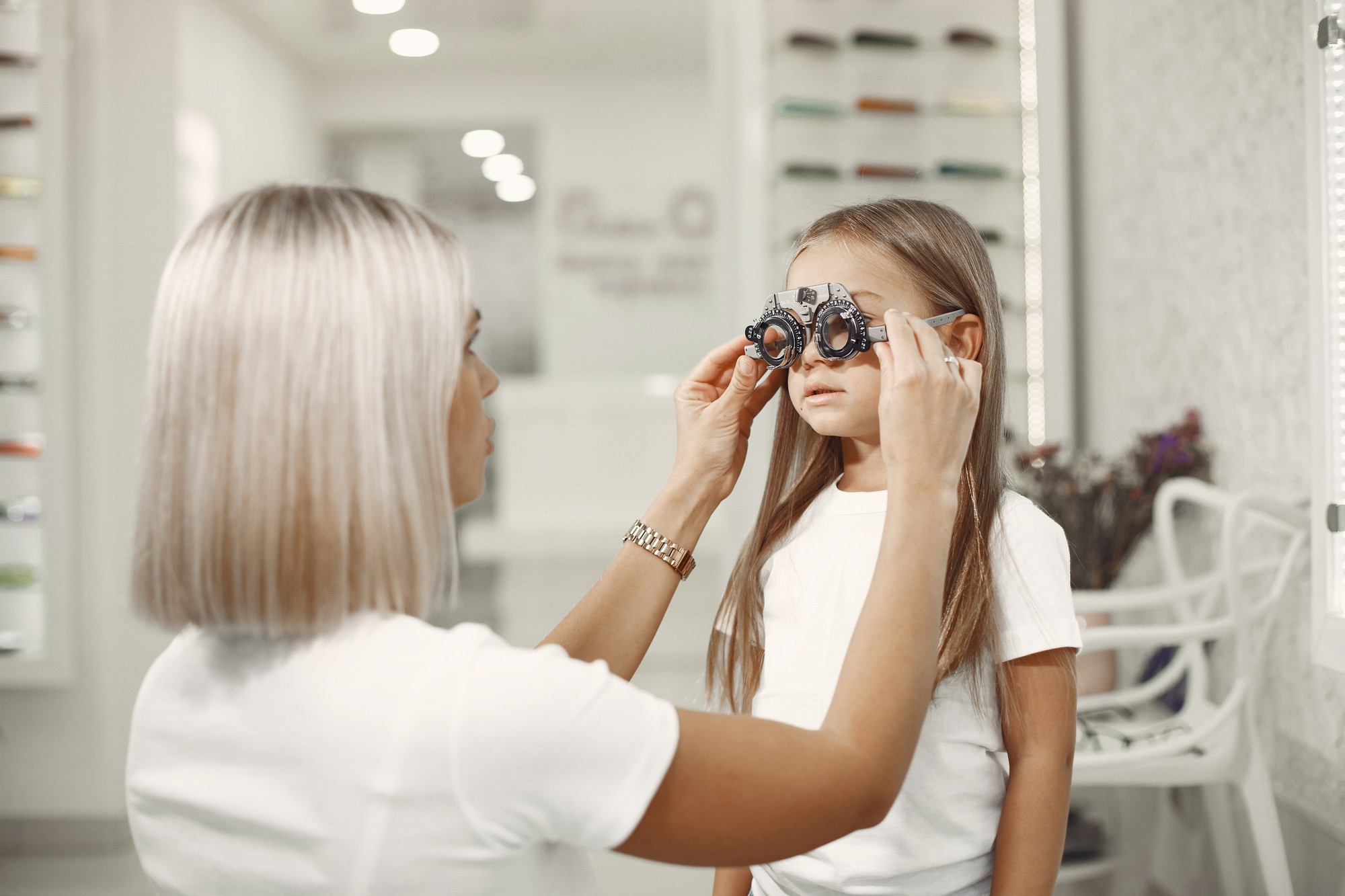
Summer possesses a curious sort of magic. Days stretch lazily into warm evenings, alarm clocks loosen their grip, and children seem to rediscover the ancient art of simply being children. Bicycles appear from garages, sprinklers become fountains of delight, and time itself seems to stroll rather than sprint. Hidden among beach trips and backyard adventures lies something surprisingly valuable: the perfect opportunity to begin myopia control.
At University Optometric Center, we often see parents wondering when the "right time" is to address their child's progressing nearsightedness. While the answer is always "as early as possible," summer arrives with a constellation of advantages that makes beginning treatment particularly graceful and practical.
More Time, Less Rush
The school year often resembles an elegant whirlwind of homework assignments, extracurricular activities, sports practices, and social obligations. Families become expert jugglers, balancing countless responsibilities while hoping nothing tumbles to the floor.
Summer offers breathing room.
Without the daily cadence of school schedules, parents can arrange comprehensive eye examinations and follow-up visits without the pressure of missed classes or racing between commitments. Children also have additional time to adapt to new myopia management strategies, whether that includes specialty contact lenses, orthokeratology lenses worn overnight, or other personalized treatment approaches.
Beginning treatment during a slower season allows adjustments to feel natural rather than disruptive.
Outdoor Adventures Become Unexpected Allies
There is a charming irony in the science of myopia management: sometimes one of the most sophisticated recommendations sounds beautifully simple.
Go outside.
Research continues to suggest that increased time spent outdoors may help reduce the risk of myopia progression in children. Natural light exposure and distance viewing appear to provide benefits that screens and close-up tasks simply cannot replicate.
Summer practically extends an invitation to embrace these habits.
Whether children are splashing through pools, exploring parks, chasing soccer balls, or embarking on neighborhood adventures, the season naturally encourages activities that place less strain on near vision demands.
One might say summer and healthy visual habits become rather excellent companions.
Time to Build New Habits Before School Returns
Starting myopia control is not simply about introducing treatment; it is also about creating routines.
Children benefit from learning healthy visual behaviors such as:
- Taking breaks during extended near work
- Spending more time outdoors
- Following lens care instructions consistently
- Maintaining regular eye appointments
Summer gives families an opportunity to establish these habits before classrooms, homework, and screens reclaim center stage.
By the time autumn arrives with sharpened pencils and freshly packed backpacks, new routines often feel less like obligations and more like second nature.
Starting Earlier Matters
Myopia is not merely a matter of needing stronger glasses each year. Progressive myopia can increase the risk of future eye health concerns, including retinal complications and other vision-related conditions later in life.
That is why timing matters.
The earlier myopia progression is identified and addressed, the greater the opportunity to influence long-term outcomes. Waiting for another school year to pass may seem insignificant in the moment, but childhood vision changes can sometimes progress surprisingly quickly.
Summer provides a beautiful pause button — a moment to act thoughtfully before life resumes its familiar tempo.
A Season for Looking Forward
Summer has always been associated with beginnings. New adventures, new memories, and tiny discoveries often hide within ordinary days.
Beginning myopia control belongs naturally among them.
While children may remember the season for ice cream trucks and sun-soaked afternoons, parents can quietly appreciate another meaningful accomplishment taking place behind the scenes: supporting healthier vision for years to come.
After all, the loveliest journeys begin when we can see the path ahead clearly.
Contact our office in Irvine or Newport Beach at (949)-854-7122 or (949) 476-2870 to book an appointment.

Optometry
Services

Keep
In Touch
University Optometric Center
OC Optometry Group

