





Why Myopia Is Now a Public Health Issue
Why Myopia Is Now a Public Health Issue
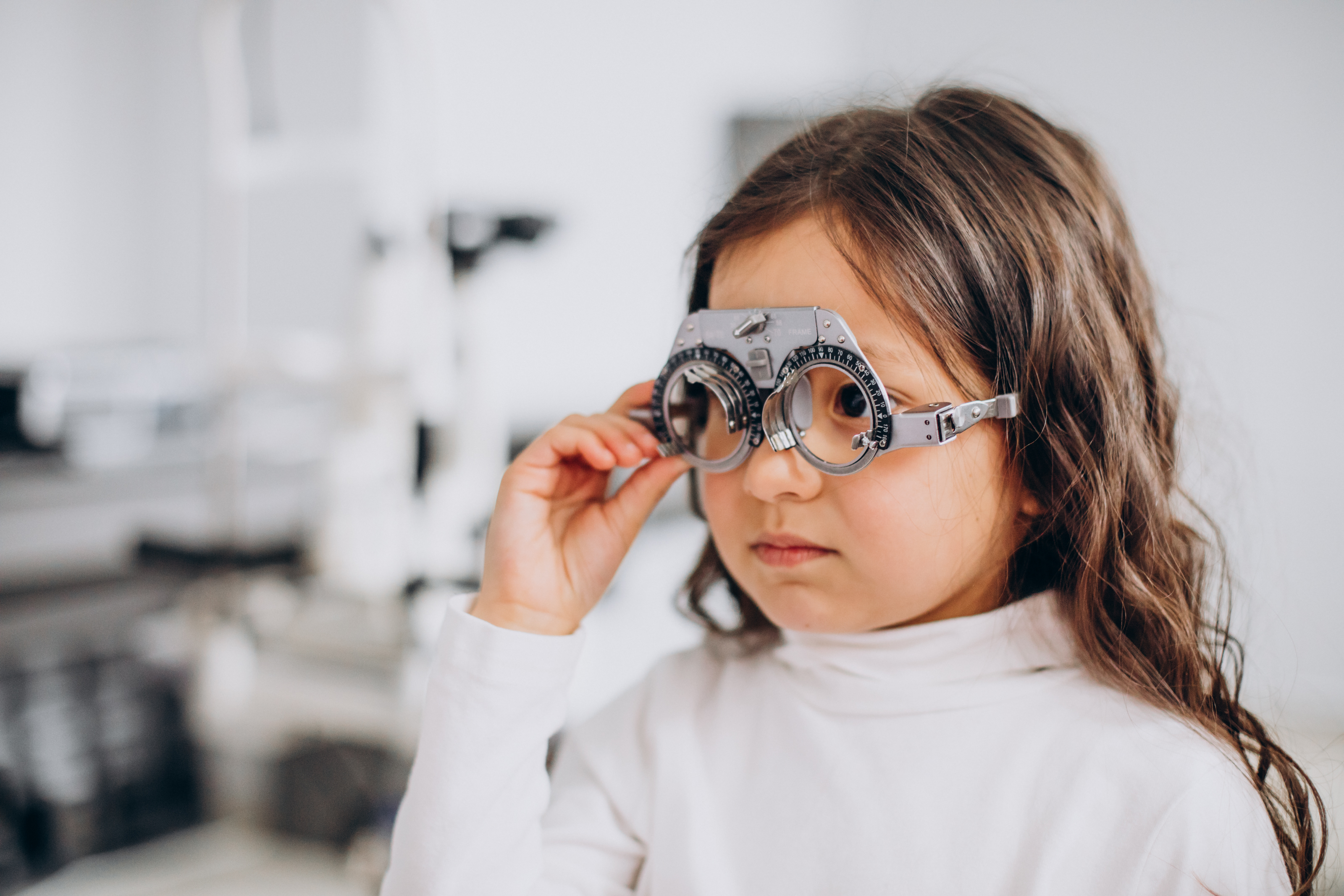
At University Optometric Center, we’ve noticed something that mirrors a global trend: more children, more teenagers, and even more adults are becoming nearsighted—earlier and faster than ever before. Myopia, once considered a minor refractive inconvenience solved with a charming pair of spectacles, has quietly evolved into a bona fide public health issue.
And yes, that sounds dramatic. But the data supports it.
The Rising Tide of Nearsightedness
Myopia occurs when the eye grows too long from front to back, causing distant objects to appear blurry. Historically, it was common—but manageable. Today, however, the numbers are climbing at a pace that would make even the most stoic epidemiologist raise an eyebrow.
Researchers project that by 2050, nearly half of the world’s population may be myopic. That’s not just a matter of more glasses prescriptions—it’s a matter of long-term ocular health.
Why the surge? The answer lies in modern living. Children spend significantly more time indoors, engaged in prolonged near work—reading, tablets, laptops, smartphones—and less time outdoors exposed to natural light. The eye, adaptable and responsive to environmental cues, changes its growth patterns accordingly. Unfortunately, those changes often mean elongation of the eyeball—and that elongation carries risk.
It’s Not Just About Blurry Vision
Here’s where the public health concern becomes crystal clear.
Mild myopia can typically be corrected with glasses or contact lenses. However, moderate to high myopia significantly increases the risk of serious eye conditions later in life, including retinal detachment, glaucoma, myopic macular degeneration, and cataracts.
In other words, myopia is not merely an inconvenience—it’s a structural change to the eye that can predispose individuals to sight-threatening complications.
When millions more people are projected to have moderate or high myopia, the potential burden on healthcare systems rises accordingly. Increased demand for specialized eye care, higher treatment costs, and greater risk of vision impairment collectively elevate myopia from a personal issue to a public one.
Early Onset Means Higher Risk
One particularly concerning trend is that children are developing myopia at younger ages. The earlier myopia begins, the more time it has to progress. And the more it progresses, the higher the lifetime risk of complications.
Think of it like compound interest—but less charming.
That’s why proactive management during childhood is so critical. Simply updating a glasses prescription each year is no longer considered sufficient. Instead, modern optometry emphasizes myopia management—strategies designed to slow the progression of nearsightedness.
These may include specialty contact lenses, orthokeratology (overnight reshaping lenses), and low-dose atropine eye drops. Each treatment plan is tailored to the individual child’s needs, lifestyle, and rate of progression.
Prevention and Protection
The good news? There are practical steps families can take.
Encouraging at least 90–120 minutes of outdoor time daily has been shown to reduce the onset of myopia in children. Taking regular breaks during near work (we recommend the 20-20-20 rule) also helps reduce visual strain. Most importantly, comprehensive annual eye exams allow us to detect early signs of myopia and intervene promptly.
At University Optometric Center, we view myopia management as both science and stewardship. Protecting a child’s vision today safeguards their ocular health decades from now.
A Collective Responsibility
When a condition affects nearly half the global population, increases risk for vision-threatening disease, and begins earlier with each generation, it transcends individual inconvenience. It becomes a public health matter.
The conversation around myopia is evolving—and so is our approach to care. By combining evidence-based treatment, early intervention, and thoughtful guidance for families, we aim to slow this growing epidemic one patient at a time.
Because clear vision should be a lifelong privilege, not a progressively narrowing horizon.
Contact our office in Irvine or Newport Beach at (949)-854-7122 or (949) 476-2870 to book an appointment.

Optometry
Services

Keep
In Touch
University Optometric Center
OC Optometry Group

