





Is Gaming Making You More Nearsighted?
Is Gaming Making You More Nearsighted?
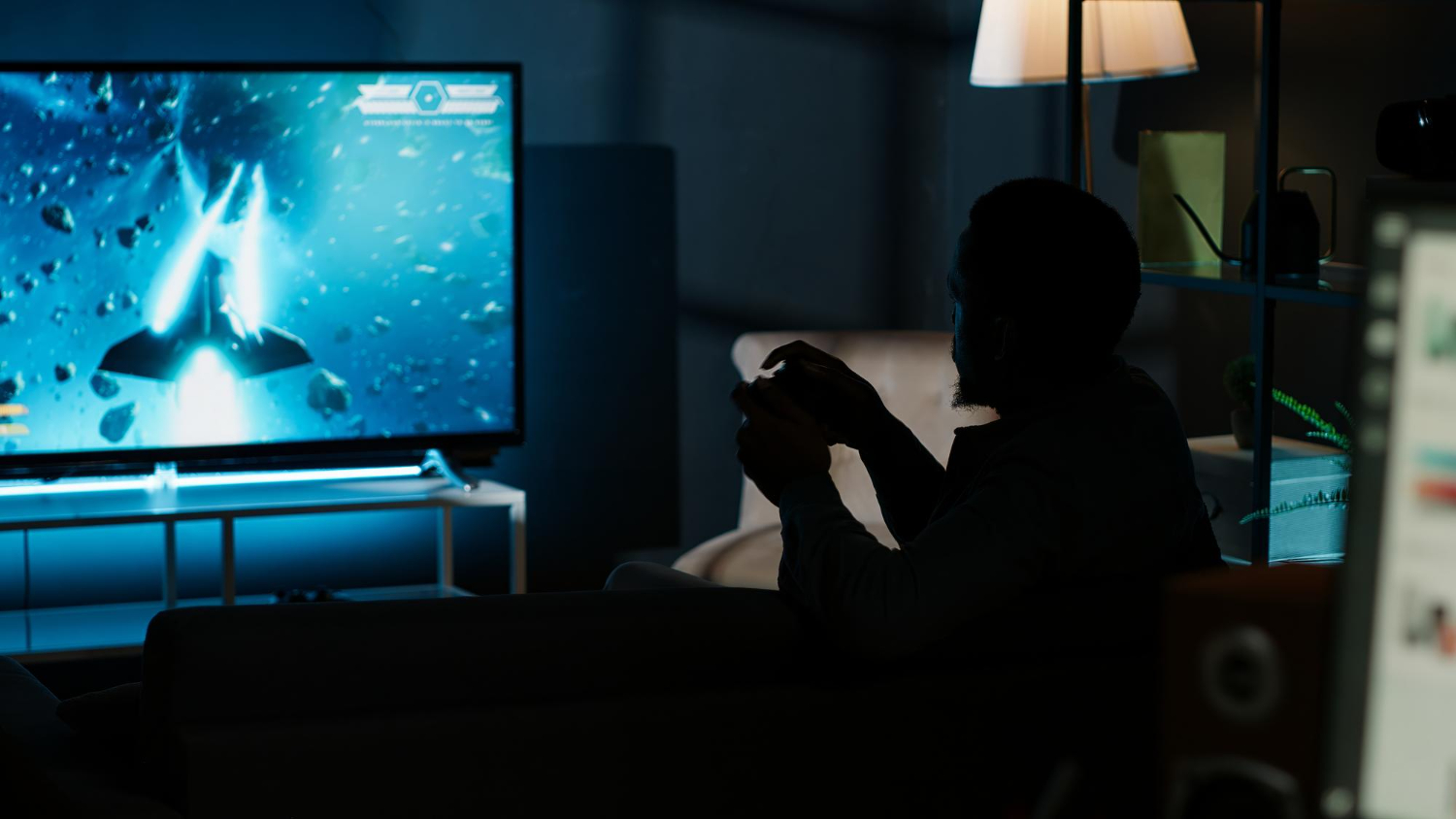
There was once a time when “screen time” meant a polite hour of television. Today, it means sprawling digital universes, competitive tournaments, and immersive storylines rendered in dazzling high definition. Gaming is no longer a pastime; it is a culture, a sport, even a profession.
But as optometrists at University Optometric Center, we are often asked — sometimes sheepishly, sometimes defensively — a pressing question:
Is gaming making me more nearsighted?
Let us explore this with clarity, nuance, and just a touch of whimsy.
Understanding Nearsightedness (Myopia)
Nearsightedness, or myopia, occurs when distant objects appear blurry while close objects remain clear. This happens when the eye grows slightly too long from front to back, causing light to focus in front of the retina instead of directly on it.
Myopia is not merely an inconvenience corrected by stylish eyewear. Its global prevalence has risen dramatically over the past few decades, prompting researchers worldwide to examine environmental contributors — including prolonged near work and reduced outdoor time.
Enter: gaming.
Does Gaming Directly Cause Myopia?
The elegant answer is no — gaming itself does not directly cause nearsightedness.
However, prolonged near work is strongly associated with myopia progression, particularly in children and adolescents whose eyes are still developing. Gaming often involves:
Extended focus at short viewing distances
Minimal blinking (which contributes to dryness)
Limited breaks
Indoor environments with reduced exposure to natural light
These factors, when combined over time, may contribute to the progression of myopia in susceptible individuals.
In other words, it is not the dragons, spaceships, or pixelated triumphs — it is the sustained visual demand.
The Outdoor Light Factor
One of the most compelling protective factors against myopia progression is time spent outdoors. Natural daylight stimulates dopamine release in the retina, which helps regulate healthy eye growth.
If gaming displaces outdoor activity — as it often does — the protective effect diminishes. It is less about what gaming adds, and more about what it replaces.
A balanced visual diet, much like a nutritional one, matters profoundly.
Digital Eye Strain vs. Myopia
It is important to distinguish between digital eye strain and true myopia progression.
After several hours of gaming, you may experience:
Blurred distance vision
Headaches
Eye fatigue
Dryness
Sometimes this temporary blur is due to accommodative spasm — the focusing system becoming “stuck” after prolonged near work. This can mimic worsening nearsightedness but may resolve with rest.
A comprehensive eye examination can determine whether changes are temporary strain or genuine refractive shifts.
Protective Strategies for Gamers
We are not here to confiscate consoles or shame competitive ambition. Instead, we advocate for strategic moderation.
At University Optometric Center, we recommend:
1. The 20-20-20 Rule
Every 20 minutes, look at something 20 feet away for at least 20 seconds.
2. Increase Outdoor Time
Aim for at least 90–120 minutes per day outdoors, particularly for children and teens.
3. Maintain Proper Viewing Distance
Screens should be at least an arm’s length away and slightly below eye level.
4. Optimize Lighting
Avoid gaming in a dark room illuminated only by the screen. Balanced ambient lighting reduces strain.
5. Schedule Regular Eye Exams
Early detection of myopia progression allows for proactive management, including specialized lenses or myopia control options.
The Bigger Picture
Gaming, like reading, studying, or coding, is a visually intensive activity. It is not inherently villainous. But when near work dominates a lifestyle, the visual system responds accordingly.
The key lies in balance.
Your eyes were designed for dynamic focus — near and far, indoors and outdoors, detail and distance. A life lived entirely at arm’s length may gently nudge them toward nearsightedness.
So game boldly. Compete fiercely. Explore digital galaxies.
But step outside now and then.
Your eyes, after all, deserve a view of the real horizon.

Optometry
Services

Keep
In Touch
University Optometric Center
OC Optometry Group

