





Study Lighting Matters: Reduce Eye Fatigue in Apartments
Study Lighting Matters: Reduce Eye Fatigue in Apartments
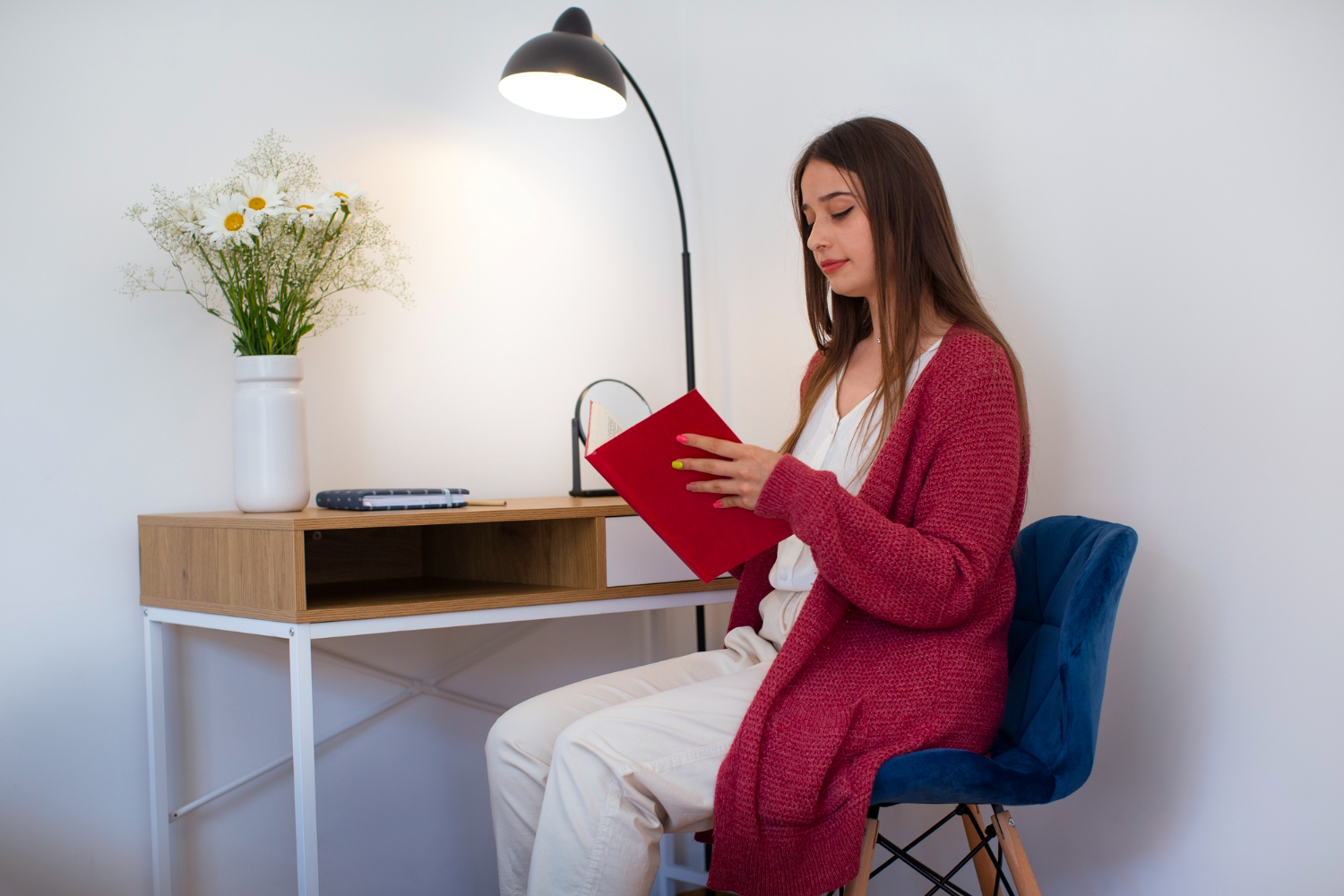
There is a particular poetry to studying in an apartment. A well-loved desk tucked beside a window. Books stacked like miniature skyscrapers. The gentle hum of city life below. It is cinematic, yes — but for many of our patients at University Optometric Center, this romantic setting conceals a far less glamorous subplot: persistent eye fatigue.
In the realm of optometry, lighting is not merely decorative. It is infrastructural. It dictates how efficiently your eyes perform, how comfortably you focus, and how resilient your vision remains after hours of study.
Let us shed a refined, if slightly whimsical, light on the matter.
The Apartment Lighting Dilemma
Unlike purpose-built offices or libraries, apartments are designed primarily for living, not prolonged near-work. Overhead fixtures are often centralized and soft, crafted for ambiance rather than academic rigor. The result is uneven illumination, shadowy desktops, and screens glowing like solitary moons in otherwise dim rooms.
When lighting is insufficient, the ciliary muscles inside your eyes must work overtime to maintain focus. This muscular strain, sustained over hours, leads to symptoms commonly associated with digital eye strain: dryness, blurred vision, headaches, and a general sensation that your eyes would prefer a seaside holiday.
Conversely, overly bright or improperly angled lighting introduces glare. Reflections on laptop screens force constant micro-adjustments in focus. The visual system, exquisitely sensitive to contrast and luminance changes, becomes fatigued not from the content you are studying — but from the environment in which you are studying it.
The Science of Seeing Comfortably
Optimal study lighting supports three principles:
Even illumination to reduce contrast between page and surroundings.
Minimal glare on digital screens and glossy materials.
Appropriate color temperature to enhance clarity without harshness.
In practical terms, this means layering your lighting.
Layer One: Ambient Light
Your general room lighting should provide consistent brightness across the space. Avoid studying in a dark room illuminated solely by your laptop screen — a habit both common and visually exhausting.
Layer Two: Task Lighting
A quality desk lamp, positioned opposite your dominant writing hand, reduces shadows and directs focused light precisely where it is needed. Adjustable arms and diffused shades are particularly beneficial, allowing customization without glare.
Layer Three: Environmental Balance
Soft secondary lighting — perhaps a floor lamp in the corner — prevents the dramatic contrast that tires your visual system. Think less interrogation chamber, more thoughtfully curated atelier.
The Role of Natural Light
Ah, natural light — the darling of interior design. When managed properly, it is superb for visual comfort. Position your desk perpendicular to windows to minimize glare. Sheer curtains can diffuse intense midday brightness while preserving that coveted aesthetic.
Remember, too, that daylight shifts throughout the day. Morning brilliance may become afternoon glare. A flexible setup allows your study environment to evolve with the sun.
The 20-20-20 Rule: A Gentle Intermission
Even with impeccable lighting, the eyes benefit from scheduled respite. Every 20 minutes, look at something 20 feet away for 20 seconds. This simple practice relaxes focusing muscles and reduces accommodative strain.
Consider it a polite bow between acts in your visual performance.
When Lighting Isn’t the Only Villain
If eye fatigue persists despite optimal lighting, it may indicate an outdated prescription or subtle refractive error. Even minor uncorrected vision changes become amplified during prolonged near tasks.
At University Optometric Center, we specialize in comprehensive eye examinations tailored to modern lifestyles — from compact apartments to expansive digital workdays. We evaluate not only visual acuity but how your eyes function in real-world environments.
Because lighting matters. But so does precision care.
In the end, improving your study lighting is not merely about brightness. It is about harmony — between light and shadow, effort and ease, productivity and well-being. In the intimate architecture of apartment living, small adjustments yield luminous results.
And your eyes, dear reader, are deserving of nothing less.

Optometry
Services

Keep
In Touch
University Optometric Center
OC Optometry Group

