





Myopia and Swimming: What Parents Need to Know
Myopia and Swimming: What Parents Need to Know
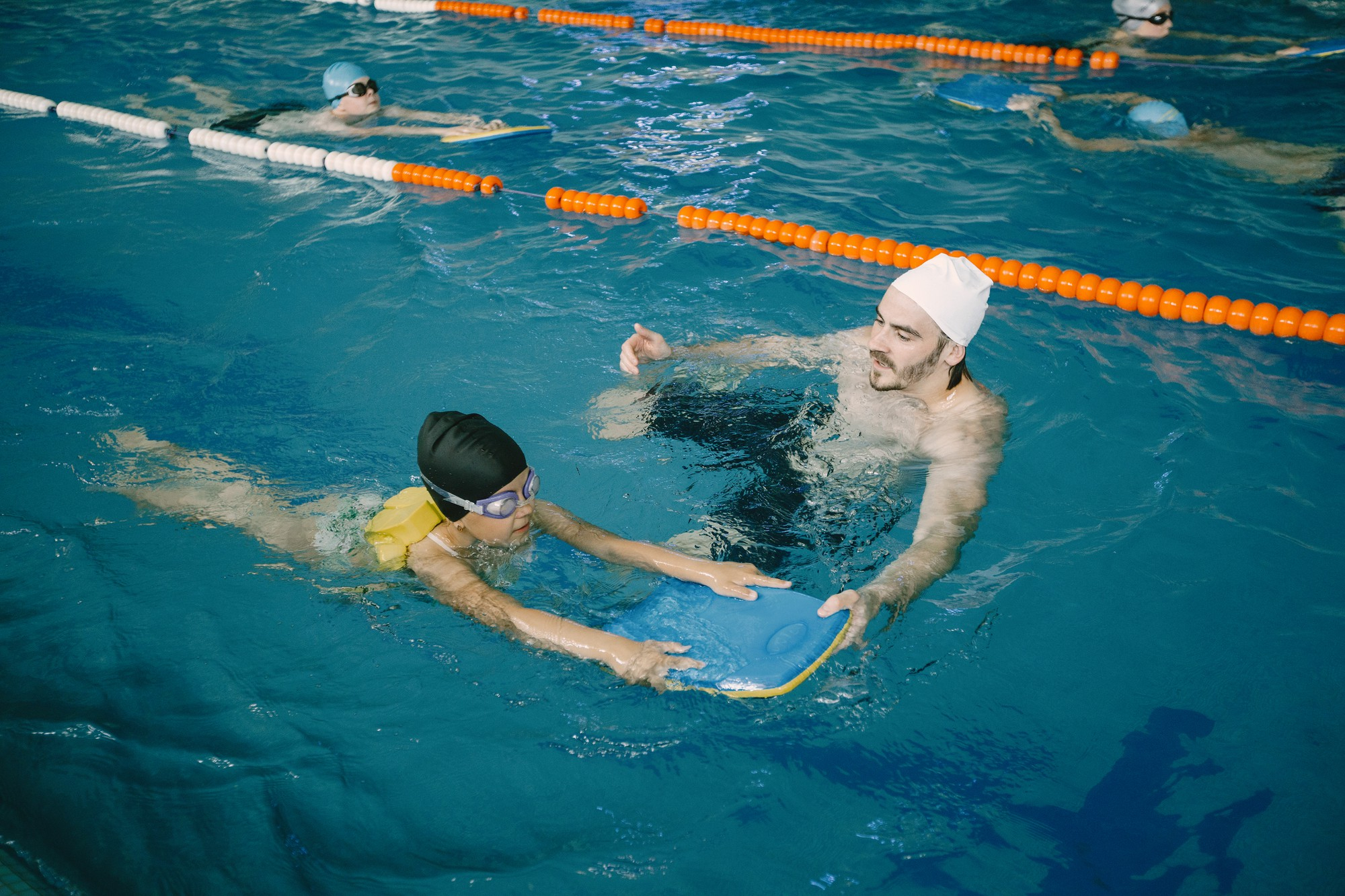
At first glance, swimming appears to be one of the most visually liberating activities a child can experience—weightless motion, shimmering light patterns refracting through water, and the carefree choreography of summer afternoons. Yet for children with myopia, or nearsightedness, the aquatic world introduces a set of visual curiosities that are worth a closer, more elegant inspection.
Myopia, as many parents know, is a condition in which distant objects appear blurred while near objects remain relatively clear. It is typically managed with glasses, contact lenses, or in some cases, specialized myopia control treatments. But what happens when you introduce water into the equation?
The first and most important clarification is reassuring: swimming itself does not worsen myopia. The condition is structural, related to the shape of the eye and how light is focused on the retina. Water, whether in a pool, ocean, or lake, does not accelerate or reverse this process. However, swimming does create unique visual and practical considerations that parents should be aware of.
One of the most immediate challenges is clarity—both literal and metaphorical. Standard glasses cannot be worn in the water, and while prescription swim goggles exist, many children use non-prescription goggles that offer only magnification-free protection. For a myopic child, this means entering the water world in a softened, often blurred state. Underwater navigation becomes more intuitive and tactile rather than visually guided, which can feel disorienting at first but quickly becomes second nature.
Contact lenses present another layer of nuance. While some older children and teens may wear contacts while swimming, eye care professionals generally advise against it. Water exposure increases the risk of introducing microorganisms that can adhere to the lens surface, potentially leading to serious infections. Even chlorinated pools are not sterile environments in the ophthalmic sense. For this reason, prescription swim goggles remain the safest and most visually supportive option for aquatic activities.
There is also the matter of visual perception above water. Myopic children without corrective lenses may struggle to clearly see pool edges, diving boards, or distant lifeguards. This is not merely an inconvenience—it is a safety consideration. Proper correction, even outside the water, plays a role in spatial awareness and confidence during swimming activities.
From a developmental standpoint, swimming can actually be beneficial for children with myopia in indirect ways. Outdoor swimming, in particular, exposes the eyes to natural light, which research suggests may help slow the progression of myopia in children. Sunlight encourages dopamine release in the retina, a biological mechanism believed to play a role in regulating eye growth. Of course, this must be balanced with appropriate sun protection, including UV-blocking goggles and hats when out of the water.
At University Optometric Center, we often remind parents that managing myopia is less about restriction and more about adaptation. Swimming does not need to be avoided—in fact, it should be encouraged as part of a healthy, active lifestyle. The key lies in preparation: ensuring appropriate visual correction when needed, protecting the eyes from waterborne irritants, and fostering awareness of how vision changes in different environments.
In the end, water teaches children something that vision science also quietly affirms: clarity is not always constant, but adaptability is always within reach. With the right guidance, even a blurred underwater world can become a space of confidence, exploration, and joy.
Contact our office in Irvine or Newport Beach at (949)-854-7122 or (949) 476-2870 to book an appointment.

Optometry
Services

Keep
In Touch
University Optometric Center
OC Optometry Group

