





Myopia and Headaches During Midterms
Myopia and Headaches During Midterms
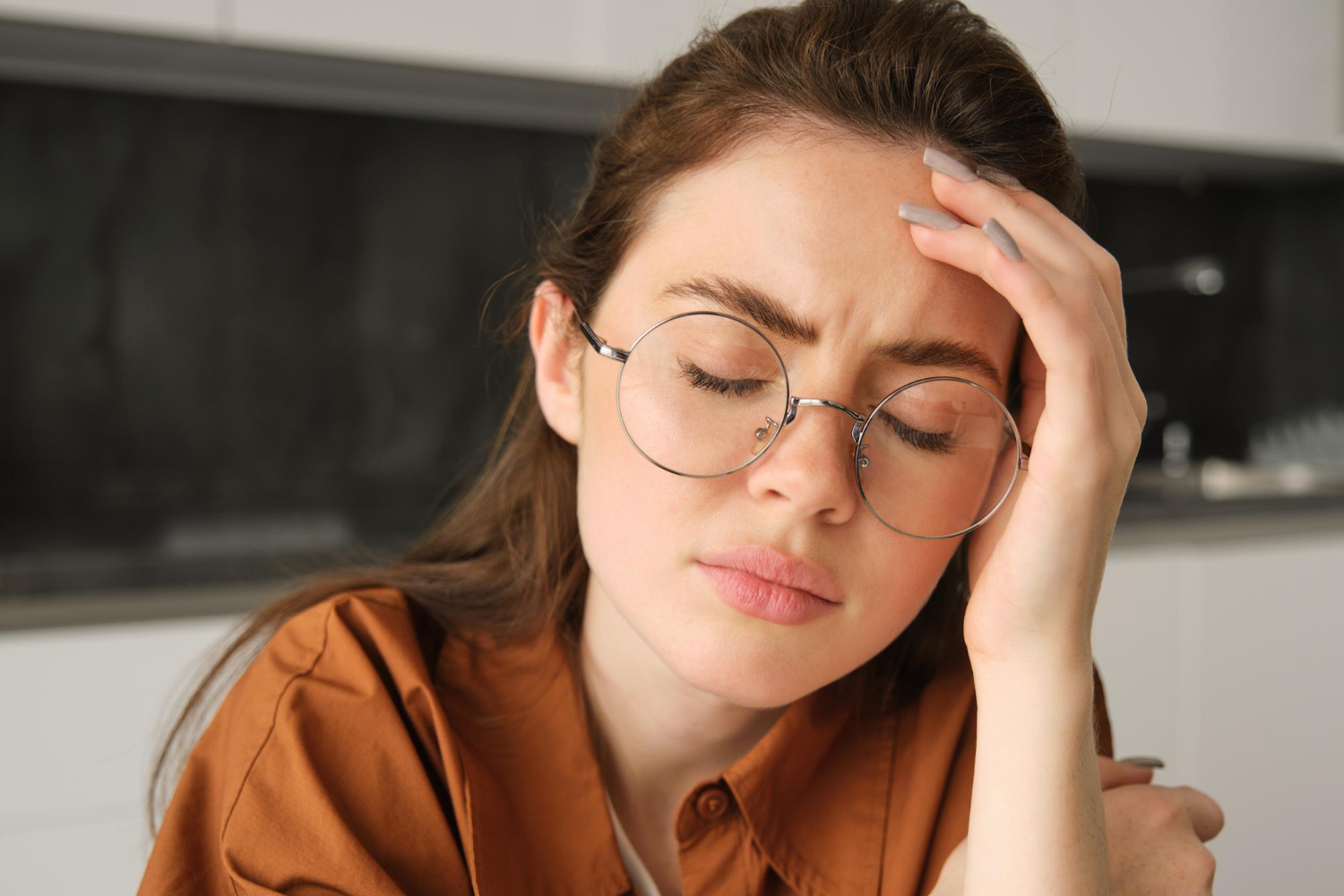
Midterm season has a way of sneaking up on students—bringing with it late-night study sessions, endless screens, and a familiar companion: headaches. While stress and lack of sleep often take the blame, vision problems—particularly myopia—are frequently an overlooked contributor. At University Optometric Center, we see this pattern every academic term, and the connection is clearer than most students realize.
Understanding Myopia in the Academic Environment
Myopia, or nearsightedness, makes distant objects appear blurry while close-up tasks remain clear—at least initially. In lecture halls, libraries, and hybrid classrooms, this imbalance forces the visual system to work overtime. Squinting to read slides, leaning forward to see the board, or constantly shifting focus between laptop and professor can place significant strain on the eyes.
During midterms, when visual demands spike dramatically, even mild or previously unnoticed myopia can trigger symptoms such as:
Persistent or throbbing headaches
Eye fatigue or soreness
Difficulty concentrating
Blurry vision after extended study sessions
These symptoms are not signs of weakness—they’re signals from your visual system asking for support.
Why Headaches Intensify During Midterms
Extended periods of near work cause the eye’s focusing muscles to remain engaged for hours at a time. When myopia is uncorrected or under-corrected, those muscles work even harder to compensate, leading to tension that radiates beyond the eyes and into the temples, forehead, or neck.
Add poor lighting, screen glare, and minimal breaks, and you have the perfect recipe for midterm-related headaches.
Smart Vision Strategies for Exam Season
The good news? A few intentional steps can dramatically reduce discomfort:
Schedule a comprehensive eye exam. Even a small prescription change can make a meaningful difference in comfort and clarity.
Wear the right correction—consistently. Glasses or contact lenses prescribed for distance are especially important in classrooms and study halls, not just while driving.
Optimize your study setup. Ensure adequate lighting, reduce glare, and position screens slightly below eye level to ease visual strain.
Practice visual breaks. The 20-20-20 rule remains a gold standard: every 20 minutes, look 20 feet away for 20 seconds.
Consider specialized lenses. Anti-reflective coatings or computer lenses can reduce glare and fatigue during prolonged screen use.
When to Seek Professional Care
If headaches persist despite lifestyle adjustments, it’s time to look deeper. Comprehensive eye exams assess not only clarity of vision, but also focusing ability, eye alignment, and overall eye health—all critical factors during high-demand academic periods.
Our clinicians take a thoughtful, individualized approach, recognizing that no two students—or study schedules—are alike.
Clear Vision, Calmer Midterms
Midterms test knowledge, resilience, and endurance. Vision should be an asset during that process—not an obstacle. Addressing myopia early can help students study longer, focus better, and approach exams with greater confidence.
At University Optometric Center, supporting student success means caring for the eyes behind the books, screens, and ambitions. Because when vision is clear, thinking follows—and headaches no longer have the final word.

Optometry
Services

Keep
In Touch
University Optometric Center
OC Optometry Group

