





Late-Night Driving: Vision Safety Tips for Students
Late-Night Driving: Vision Safety Tips for Students
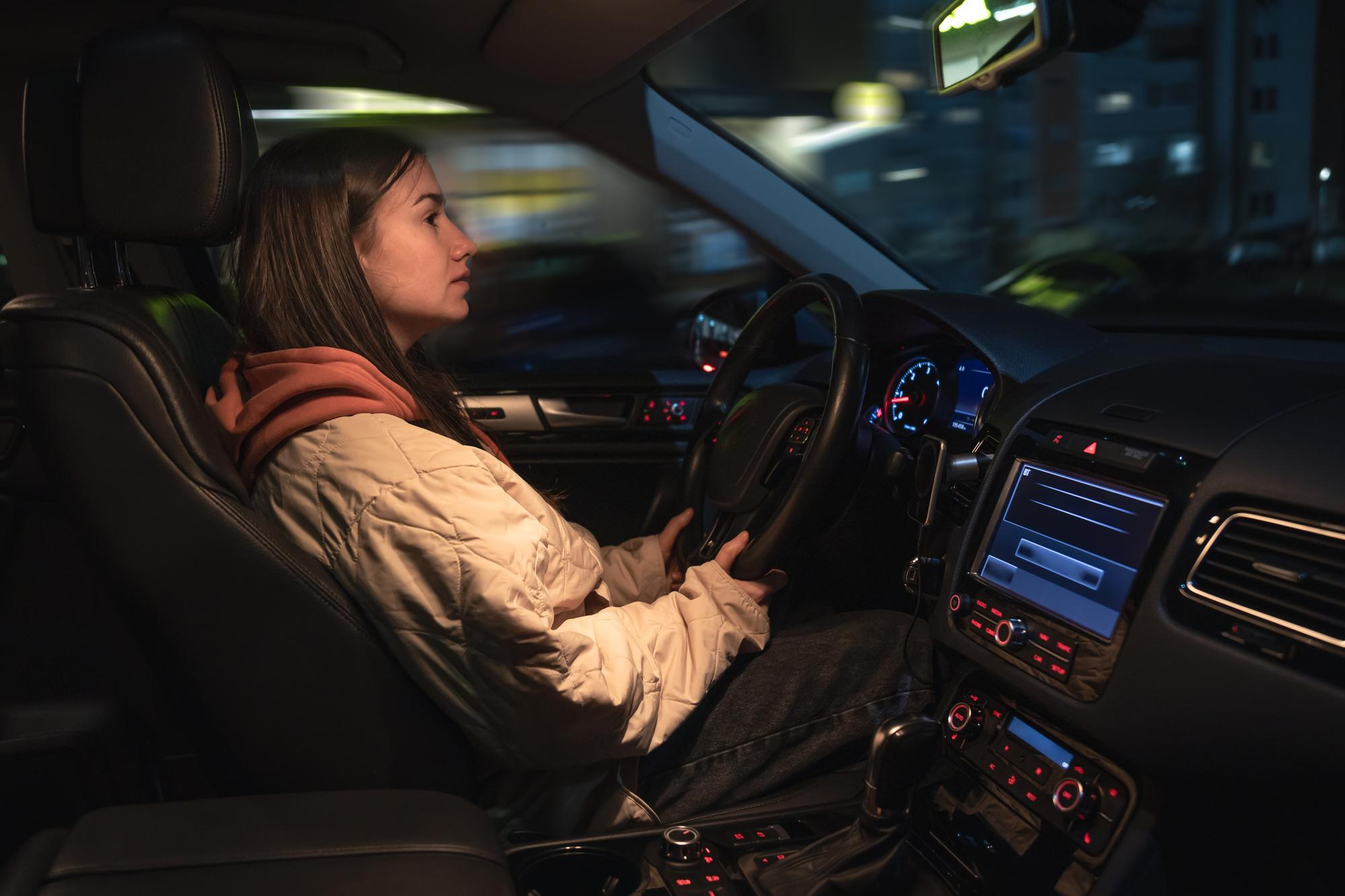
There is something undeniably poetic about driving at night—the hush of the roads, the glow of distant headlights, the sense of solitude. Yet beneath this quiet elegance lies a reality that demands attention: nighttime driving is significantly more visually demanding than its daytime counterpart. For students, whose schedules often stretch into the late hours, understanding how to navigate these conditions safely is not merely advisable—it is essential.
At University Optometric Center, we believe that clear vision is the cornerstone of confident driving. Let us explore how to elevate your nighttime driving experience from uncertain to assured.
The Subtle Strain of Darkness
As daylight fades, your visual acuity naturally declines. Contrast sensitivity diminishes, depth perception becomes less reliable, and peripheral awareness narrows. Add the brilliance of oncoming headlights or poorly lit roads, and the result can feel disorienting.
For students already fatigued from long study sessions, these challenges intensify. The eyes, much like the mind, tire under strain—and fatigue can delay reaction time in critical moments.
Master the Art of Glare Management
Glare is the uninvited guest of nighttime driving. Those dazzling headlights approaching from the opposite lane can momentarily obscure your vision. A simple yet elegant solution: shift your gaze slightly to the right edge of your lane. This allows you to maintain directional awareness without confronting the glare directly.
Additionally, ensure your windshield is impeccably clean—inside and out. Even minor smudges can scatter light and amplify glare, turning a mild inconvenience into a significant hazard.
Illuminate Your Own Clarity
Proper eyewear can transform your nighttime driving experience. If you wear glasses or contact lenses, confirm that your prescription is up to date. Even a subtle change in vision can make a meaningful difference after dusk.
Anti-reflective coatings, in particular, offer a refined advantage. They reduce glare from headlights and streetlights, enhancing contrast and allowing your eyes to work with greater ease. Think of them as a quiet upgrade—subtle, yet profoundly effective.
Respect the Rhythm of Rest
Fatigue is perhaps the most underestimated risk factor. Students often underestimate how profoundly tiredness affects vision. Dry eyes, blurred focus, and slower visual processing can emerge long before you feel the need to sleep.
If you find yourself blinking excessively or struggling to focus, consider it a gentle warning. Pause, rest, or postpone your drive if possible. A short break can restore not only comfort but clarity.
Keep Your World Well-Lit
Ensure your vehicle’s lighting system is functioning optimally. Headlights should be clean, properly aligned, and bright enough to illuminate the road ahead without blinding others. Interior dashboard lights should be dimmed to a comfortable level—bright enough to read, yet subtle enough to preserve your night vision.
A Final Thought on Awareness
Night driving is not inherently dangerous—it simply asks for a more refined awareness. By understanding your visual limitations and equipping yourself with thoughtful strategies, you transform uncertainty into quiet confidence.
At University Optometric Center, we are here to support that clarity—both on and off the road.
Contact our office in Irvine or Newport Beach at (949)-854-7122 or (949) 476-2870 to book an appointment.

Optometry
Services

Keep
In Touch
University Optometric Center
OC Optometry Group

