





Is Vision Rehab Needed? How Sclerals Help With Corneal Damage
Is Vision Rehab Needed? How Sclerals Help With Corneal Damage
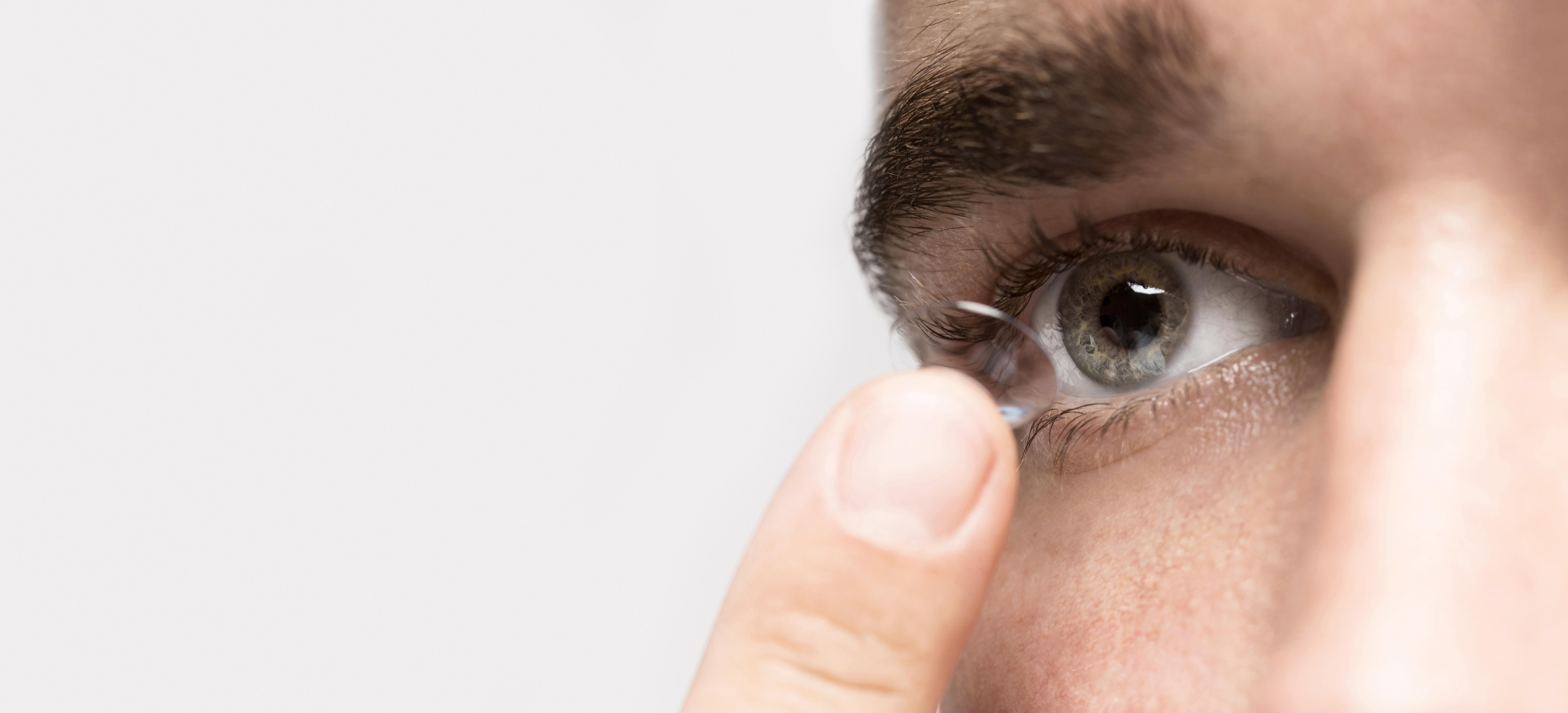
Vision, much like a well-tuned symphony, depends on harmony. The cornea—the eye’s clear front window—plays the role of lead violinist, directing light precisely onto the retina. But when that surface becomes damaged, scarred, or irregular, the melody of sight can become distorted. Blurred vision, ghosting, glare, and chronic discomfort may follow.
Fortunately, modern optometry offers elegant solutions. Among the most sophisticated tools in vision rehabilitation are scleral lenses, specialty contact lenses designed to restore visual clarity while protecting the delicate structures of the eye.
At University Optometric Center, we often meet patients who have been told their vision problems are difficult to correct with traditional glasses or soft contact lenses. In many of these cases, scleral lenses offer a transformative alternative.
When Corneal Damage Disrupts Vision
The cornea must maintain a smooth, uniform shape in order to focus light properly. Conditions that disturb this smooth surface can dramatically affect visual quality.
Common causes include:
Keratoconus
Corneal scarring from injury or infection
Post-surgical corneal irregularities (such as after LASIK complications or corneal transplant)
Severe dry eye disease
Degenerative corneal conditions
When the corneal surface becomes uneven, light scatters before reaching the retina. Glasses cannot compensate for these irregularities because they sit outside the eye and cannot neutralize the microscopic distortions of the corneal surface.
This is where vision rehabilitation becomes both an art and a science.
What Is Vision Rehabilitation?
Vision rehabilitation focuses on restoring functional vision when standard optical solutions fall short. Rather than simply correcting refractive error, it addresses structural and surface problems affecting how light enters the eye.
For many patients with corneal damage, specialty contact lenses—particularly scleral lenses—play a central role in this process.
Think of it as placing a perfectly polished optical dome over an uneven landscape.
How Scleral Lenses Work
Unlike traditional contact lenses that rest on the cornea, scleral lenses vault over the cornea entirely and land gently on the sclera (the white part of the eye).
This design creates two important advantages:
1. A Smooth Optical Surface
The lens forms a perfectly smooth refractive surface, effectively neutralizing the irregularities beneath it. Light enters the eye cleanly and predictably, often restoring visual sharpness that glasses cannot achieve.
2. A Therapeutic Fluid Reservoir
Before insertion, the lens is filled with sterile saline. This fluid layer remains between the lens and the cornea throughout the day, continuously bathing and protecting the corneal surface.
For patients with corneal damage, this fluid reservoir can:
Hydrate fragile tissue
Reduce irritation and dryness
Protect healing corneas from eyelid friction
Improve long-term comfort
The result is both optical correction and therapeutic support in one elegant device.
Who Benefits Most From Scleral Lenses?
Patients who often experience dramatic improvements include those with:
Keratoconus
Corneal ectasia
Corneal scarring
Severe dry eye or ocular surface disease
Post-surgical corneal irregularity
Failed conventional contact lens fittings
Many individuals who previously believed they had exhausted their options discover that scleral lenses restore not only clearer vision—but also the comfort needed to wear lenses all day.
A Customized Approach to Care
Scleral lenses are not one-size-fits-all. Each lens must be carefully designed to match the unique topography of the patient’s eye.
Advanced imaging technology allows our optometrists to map the corneal surface with remarkable precision. From there, lenses are customized to ensure proper vaulting, optimal oxygen flow, and exceptional comfort.
The fitting process may involve several refinements—but the reward is often life-changing clarity.
Seeing the Possibility Again
For patients living with corneal damage, the path to better vision can sometimes feel uncertain. Yet with modern specialty lens technology, the outlook is far brighter than many expect.
Vision rehabilitation with scleral lenses offers a thoughtful blend of science, engineering, and clinical artistry—helping patients rediscover the clarity that makes everyday life vivid again.
Contact our office in Irvine or Newport Beach at (949)-854-7122 or (949) 476-2870 to book an appointment.

Optometry
Services

Keep
In Touch
University Optometric Center
OC Optometry Group

