





Helping Younger Siblings Start Myopia Treatment in 2026
Helping Younger Siblings Start Myopia Treatment in 2026
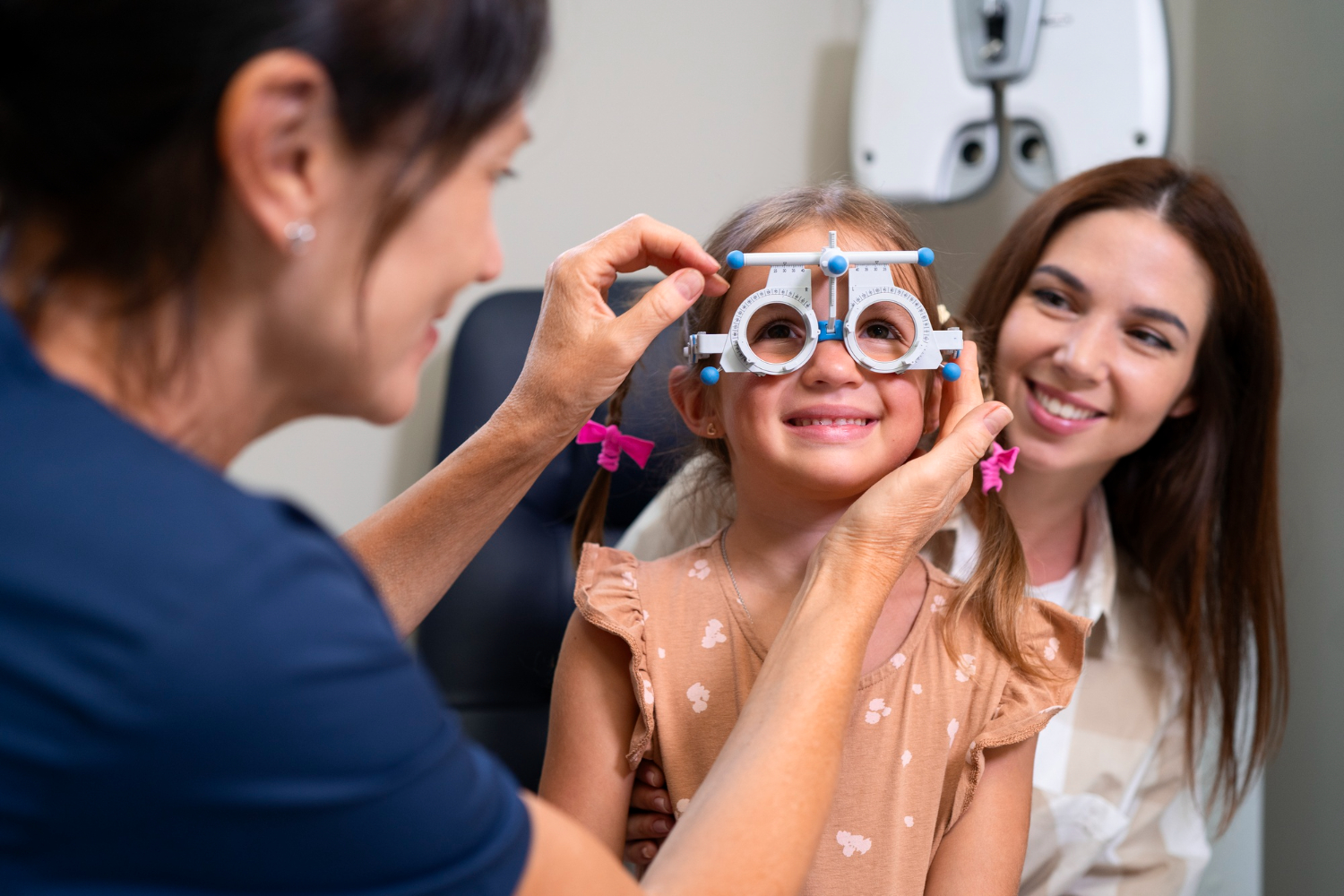
At University Optometric Center, we often notice a familiar pattern during family eye exams: one child already in myopia management, and a younger sibling quietly waiting in the wings — watching, learning, and very likely following the same visual path. As we step into 2026, this moment presents a powerful opportunity. Starting myopia treatment earlier, especially for younger siblings, is no longer a precaution — it’s a proactive advantage.
Why Younger Siblings Deserve Early Attention
Myopia has a strong genetic and environmental component. If one child in a family is nearsighted, the likelihood that a sibling will develop myopia increases significantly. Add modern visual demands — tablets, laptops, indoor-heavy routines — and the risk accelerates.
The encouraging news? Early monitoring and timely intervention can dramatically change the trajectory of a child’s visual development. Younger siblings often benefit the most because their eyes are still highly responsive to treatment. In many cases, we are not just slowing myopia progression — we are shaping healthier long-term outcomes before rapid progression ever begins.
What Myopia Treatment Looks Like in 2026
Myopia management has evolved well beyond “wait and see.” In 2026, evidence-based treatment options include low-dose atropine therapy, orthokeratology (Ortho-K), soft multifocal contact lenses, and specialized spectacle lens designs — often used in combination.
For younger siblings, treatment plans are guided by risk factors rather than prescription alone. Family history, axial length measurements, visual habits, and age of onset all inform our recommendations. This individualized approach allows us to begin treatment at the right time, with the right level of intervention — not too late, and never unnecessarily aggressive.
At University Optometric Center, advanced diagnostic technology helps us identify early signs of myopic shift long before vision complaints arise. For parents, this means fewer surprises and more informed decisions.
Making Treatment Feel Normal (and Even Empowering)
One of the quiet advantages of starting treatment with younger siblings is familiarity. They’ve already seen an older brother or sister use eye drops, wear specialty lenses, or attend regular follow-up visits. What once felt intimidating now feels routine — even reassuring.
This normalization matters. Children who begin myopia treatment early are often more compliant, more confident, and more comfortable discussing their eye health. Instead of feeling “different,” they feel prepared.
A Family-Centered Approach to Vision Care
Myopia management is rarely just about one child. It’s about creating a visual wellness culture within the family — one that values outdoor time, balanced screen use, and regular eye care. When younger siblings are included early, families shift from reactive care to intentional prevention.
At University Optometric Center, we partner closely with parents to answer questions, adjust treatment as children grow, and ensure that care evolves alongside academic and lifestyle changes. Because myopia doesn’t develop in isolation — and neither should its treatment.
Looking Ahead
Helping younger siblings start myopia treatment in 2026 is about foresight, not fear. It’s about recognizing risk, respecting individuality, and embracing the science that allows us to protect vision earlier than ever before.
When we invest early, we don’t just manage myopia — we preserve possibilities.
Contact our office in Irvine or Newport Beach at (949)-854-7122 or (949) 476-2870 to book an appointment.

Optometry
Services

Keep
In Touch
University Optometric Center
OC Optometry Group

