





Eye Exams for Grad Students: Why They’re Crucial
Eye Exams for Grad Students: Why They’re Crucial
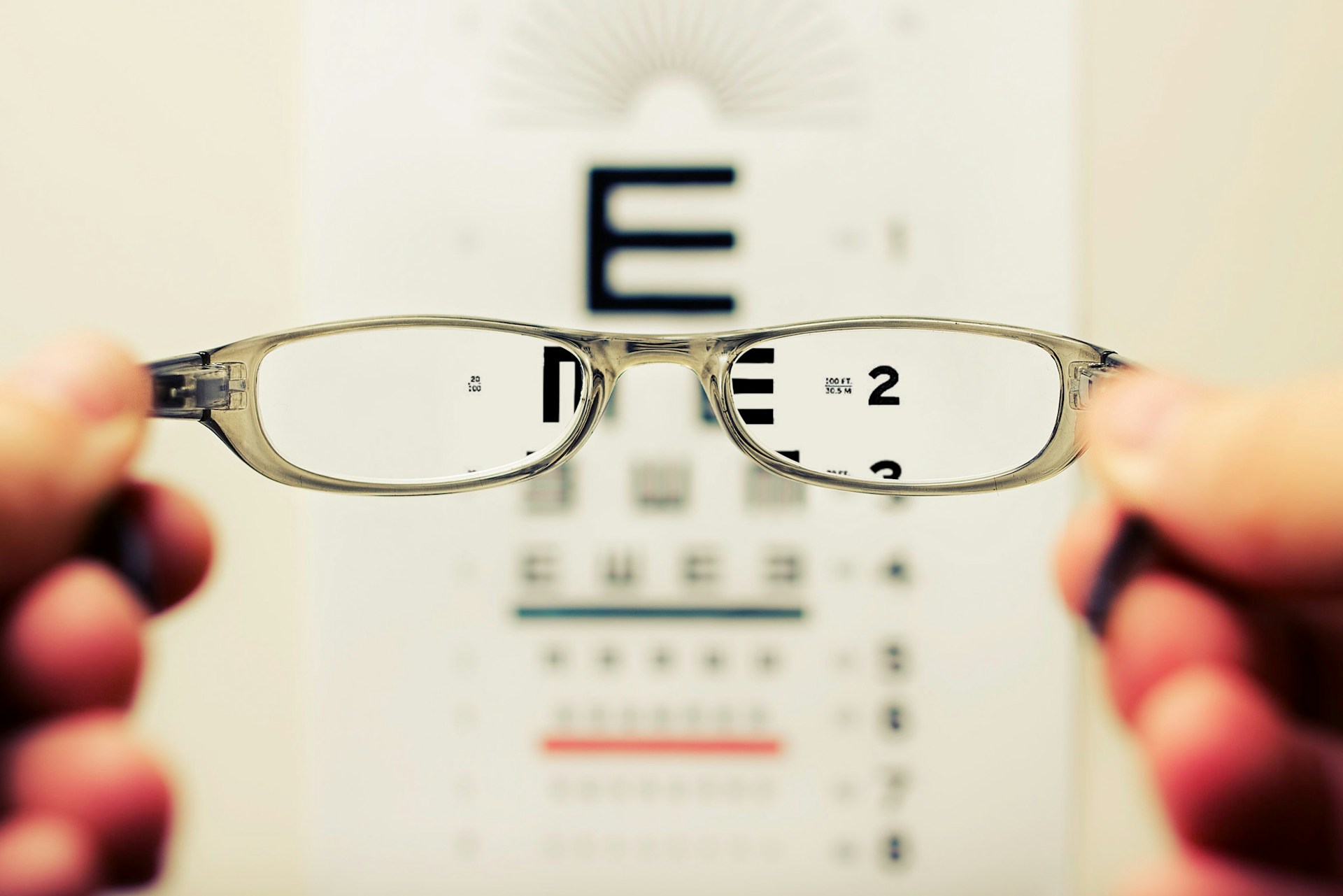
At University Optometric Center, we admire graduate students for their stamina, intellect, and uncanny ability to survive on coffee and determination. Between research deadlines, clinical rotations, comprehensive exams, and late-night writing sessions, grad school is a marathon of mental focus. Yet, in the midst of all that ambition, one critical element of academic success is often overlooked: eye health.
Graduate students rely on their vision more intensely and for longer durations than almost any other population. Extended screen time, dense reading, and constant visual concentration can quietly strain the eyes—often without obvious warning signs until productivity and comfort begin to suffer.
Grad School Is a Visual Sport
Unlike undergraduate coursework, graduate-level study demands prolonged, uninterrupted focus. Whether you’re analyzing data sets, reviewing journal articles, coding, designing experiments, or grading papers, your eyes are working overtime at close and intermediate distances.
Over time, this sustained effort can lead to digital eye strain, headaches, blurred vision, dry eyes, and difficulty refocusing. Many students assume these symptoms are simply part of the grad school experience—but in reality, they are often signs that the visual system is under-supported.
Vision Changes Don’t Wait for Graduation
A common misconception among young adults is that eye exams are only necessary when vision becomes noticeably blurry. In truth, subtle vision changes can occur gradually and silently. Even small uncorrected refractive errors can significantly increase eye fatigue when combined with long hours of near work.
Additionally, stress and lack of sleep—both familiar companions in grad school—can exacerbate eye discomfort and reduce visual stamina. Regular eye exams help detect these changes early, before they begin to interfere with concentration and efficiency.
Digital Demands Require Specialized Care
Graduate students don’t just read—they read on screens, often switching between laptops, tablets, external monitors, and smartphones. This constant shifting challenges the eyes’ ability to maintain focus and alignment.
Comprehensive eye exams at University Optometric Center go beyond checking whether you can read letters on a chart. We evaluate how your eyes work together, how efficiently they focus, and how well they handle extended screen use. When needed, we recommend tailored solutions such as computer glasses, specialty lens designs, or visual ergonomics adjustments to better support academic demands.
Eye Health Is Brain Health
Vision is not isolated from learning—it’s foundational to it. When your eyes struggle, your brain works harder to compensate, leading to faster mental fatigue and reduced comprehension. Clear, comfortable vision allows cognitive energy to be directed where it belongs: critical thinking, creativity, and problem-solving.
Routine eye exams can also detect early signs of eye disease or systemic conditions that may otherwise go unnoticed. Even in young, healthy adults, preventive care plays a crucial role in long-term wellness.
Making Eye Care Part of Your Academic Strategy
Scheduling an eye exam may not feel as urgent as submitting a thesis proposal—but it should be. Think of it as maintaining essential academic equipment. Just as you wouldn’t run complex software on outdated hardware, you shouldn’t expect peak performance from an unsupported visual system.
At University Optometric Center, we work closely with graduate students to align eye care with their academic lifestyle. Our goal is not only clear vision, but sustainable comfort through long semesters and even longer study sessions.
Because grad school is demanding enough. Your eyes shouldn’t have to work harder than they already do.

Optometry
Services

Keep
In Touch
University Optometric Center
OC Optometry Group

