





Does Artificial Light Worsen Myopia? What Science Says
Does Artificial Light Worsen Myopia? What Science Says
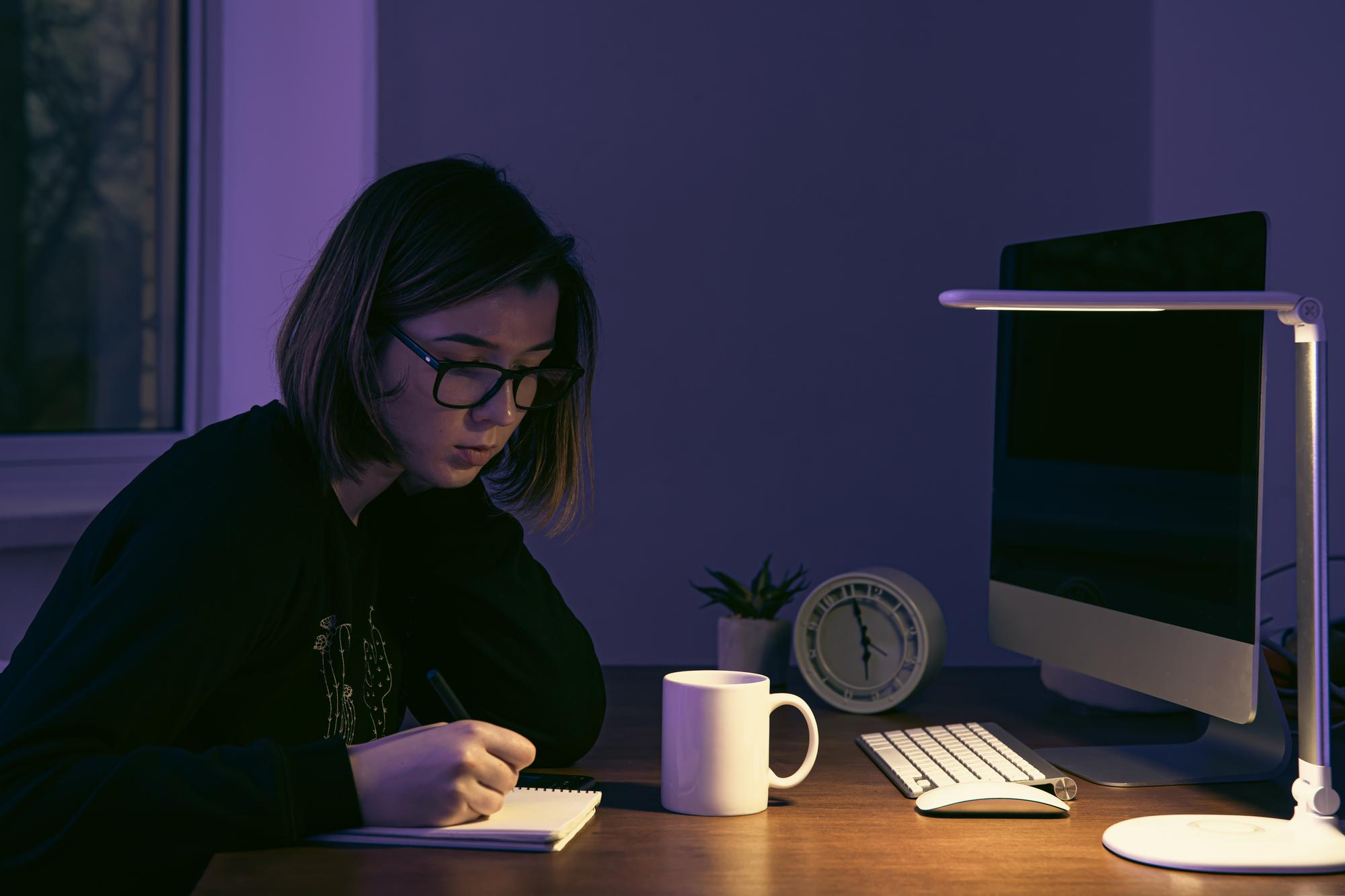
In the grand theater of modern life, artificial light plays a starring role. It hums softly above conference tables, flickers from laptop screens at cafés, and glows warmly from bedside lamps long after sunset. We live bathed in illumination, wrapped in a perpetual twilight engineered by LEDs, fluorescents, and digital displays. Yet amid this dazzling convenience, many patients ask an increasingly pressing question: Does artificial light worsen myopia?
The answer, like most things involving the human eye, is delightfully nuanced.
Myopia—commonly known as nearsightedness—has become astonishingly prevalent worldwide. Researchers estimate that by 2050, nearly half the global population may be myopic. Genetics certainly play a role, but environmental influences have become impossible to ignore. Among these, artificial lighting and prolonged indoor living have stepped into the scientific spotlight.
Interestingly, research does not suggest that artificial light itself is the singular villain in this visual mystery. Rather, the concern lies in how modern lighting changes our behavior and visual environment.
Humans evolved under the generous rhythm of natural daylight. Outdoor light is dramatically brighter than indoor illumination, even on cloudy days. Exposure to natural sunlight appears to stimulate dopamine release in the retina, a biochemical process believed to help regulate healthy eye growth. When children and adults spend most of their time indoors under comparatively dim artificial lighting, that protective mechanism may become less active.
In simpler terms: the issue may not be artificial light alone, but the absence of enough natural light.
Numerous studies have shown that children who spend more time outdoors tend to develop myopia at lower rates. Researchers continue to investigate exactly why, but increased daylight exposure consistently emerges as a protective factor. Meanwhile, modern indoor lifestyles often involve prolonged near work—reading, tablets, gaming, and smartphones—all under artificial lighting conditions that can encourage visual strain.
And then there is the curious matter of screens.
Digital devices emit blue light, which has earned dramatic headlines over the years. While blue light exposure from screens has not been conclusively proven to cause myopia directly, excessive screen time is strongly associated with behaviors linked to myopia progression. Hours spent focusing at close distances can place sustained demand on the eye’s focusing system, especially when uninterrupted by distance viewing or outdoor activity.
Think of the eye as an exquisitely sophisticated traveler. It was designed to roam landscapes, shift focus across horizons, and dance between near and far. Modern life, however, often asks it to stare at a glowing rectangle from fourteen inches away for eight consecutive hours. Charming for productivity perhaps, but less enchanting for ocular wellness.
Artificial lighting quality may matter as well. Poorly positioned lighting, harsh glare, or dim environments can contribute to visual fatigue and discomfort. Although these factors do not necessarily cause myopia, they can exacerbate symptoms such as headaches, eye strain, and blurred vision—particularly during prolonged near work.
So what does science recommend?
The consensus among eye care professionals is refreshingly practical:
- Spend more time outdoors, especially children and adolescents.
- Take regular breaks during near work using the 20-20-20 rule: every 20 minutes, look 20 feet away for 20 seconds.
- Maintain proper lighting while reading or using screens.
- Limit excessive recreational screen time when possible.
- Schedule routine comprehensive eye exams to monitor visual changes early.
For individuals already experiencing myopia progression, modern optometry offers several evidence-based management options, including specialty contact lenses, orthokeratology, and atropine therapy. Early intervention can make a meaningful difference in long-term eye health.
At University Optometric Center, we believe vision care should balance scientific precision with real-world practicality. Artificial light is not something to fear—it is woven beautifully into contemporary life. But understanding how our visual habits interact with that environment allows us to make wiser, healthier choices for our eyes.
After all, the goal is not to retreat from modernity into candlelit obscurity. It is simply to ensure our eyes remain as adaptable, resilient, and brilliantly focused as the luminous world around us.
Contact our office in Irvine or Newport Beach at (949)-854-7122 or (949) 476-2870 to book an appointment.

Optometry
Services

Keep
In Touch
University Optometric Center
OC Optometry Group

