





Can You Wear Contact Lenses With Dry Eyes? Exploring Comfortable Lens Options
Can You Wear Contact Lenses With Dry Eyes? Exploring Comfortable Lens Options
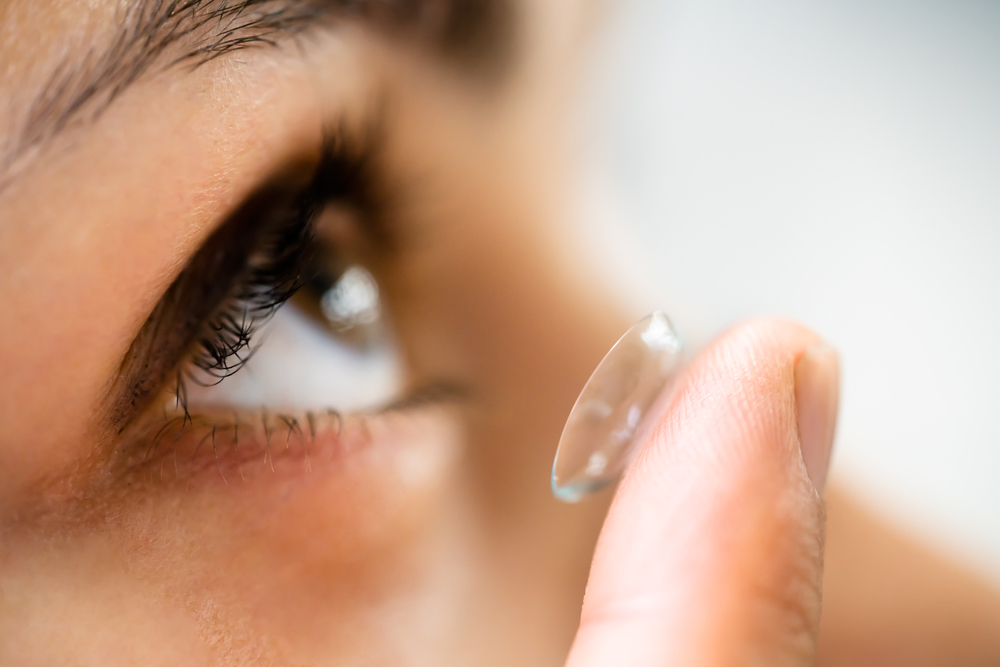
If you struggle with dry eyes, wearing contact lenses may feel uncomfortable. Dryness, irritation, and blurry vision can make it difficult to keep your contacts in throughout the day. However, having dry eye symptoms does not necessarily mean you have to stop wearing contact lenses.
At University Optometric Center in Irvine, CA, we help patients manage dry eye symptoms and find contact lens options that support clear, comfortable vision.
How Does Dry Eye Affect Contact Lens Wear?
Dry eye occurs when your eyes do not produce enough tears or when your tears evaporate too quickly. Since contact lenses interact with the tear film, dryness can make wearing them uncomfortable.
Common symptoms include burning, redness, fluctuating vision, and a gritty sensation. Some patients notice their contacts become increasingly uncomfortable after several hours, especially when working on computers or spending time in air-conditioned environments.
Our eye doctors in Irvine can evaluate your tear film and eye health to determine whether dry eye treatment, a different contact lens material, or a combination of approaches may improve comfort.
Contact Lens Options for People With Dry Eyes
Not all contact lenses are the same. Certain materials and designs may provide better comfort for patients experiencing dryness.
Depending on your eye health and prescription, we may recommend exploring the following options:
Daily Disposable Contact Lenses: A fresh pair each day eliminates the need for overnight lens storage and reduces buildup that may contribute to irritation.
Silicone Hydrogel Lenses: These lenses allow more oxygen to reach the cornea, supporting eye health. However, comfort depends on the individual lens and patient.
Lenses With Moisture-Retaining Technology: Some soft contact lenses are designed to maintain surface moisture and reduce dryness-related discomfort.
Scleral Contact Lenses: These specialty lenses vault over the cornea and hold a fluid reservoir against the eye, potentially improving comfort for patients with more severe dry eye.
The best contact lenses for dry eyes depend on your tear quality, prescription, lifestyle, and the underlying cause of your symptoms.
Why Treating Dry Eye Matters Before Contact Lens Fitting
Choosing a different contact lens may help, but it does not always resolve the underlying problem.
At University Optometric Center, we evaluate dry eye symptoms to identify contributing factors, such as tear film instability or meibomian gland dysfunction.
Based on our findings, we may recommend lubricating eye drops, changes to your contact lens routine, or additional dry eye treatment.
Addressing dryness before or during contact lens fitting can help improve comfort and support healthier contact lens wear.
Tips for Comfortable Contact Lens Wear
Even with the right lenses, healthy contact lens habits are important. Follow your prescribed replacement schedule, avoid sleeping in lenses that are not approved for overnight wear, and never swim or shower while wearing contacts.
Taking breaks from contact lenses when your eyes feel irritated can also help. If you experience persistent discomfort, avoid forcing yourself to continue wearing them.
Remove your lenses and seek prompt eye care if you develop significant redness, pain, light sensitivity, or sudden changes in vision.
Schedule a Contact Lens Evaluation in Irvine, CA
If dry eyes are making contact lens wear uncomfortable, our team can help you explore suitable lens options and personalized dry eye care. Contact University Optometric Center in Irvine, CA, at (949) 216-8900 to schedule an appointment and find out which contact lenses may work best for your eyes.

Optometry
Services

Keep
In Touch
University Optometric Center
OC Optometry Group

